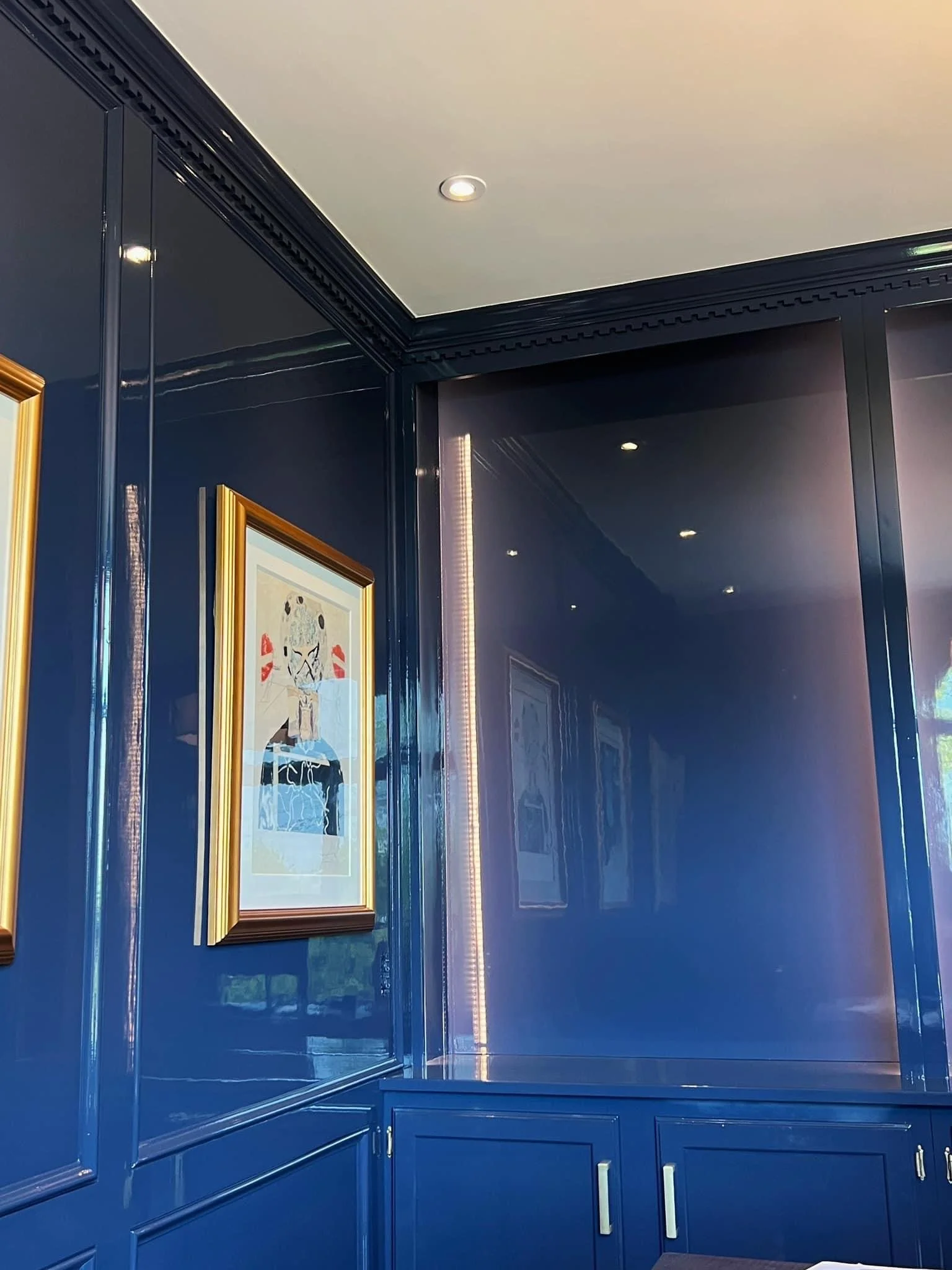
Interior Painting
Scope and planning
Initial consultation
Detailed estimate and timeline
Color sampling and mock-ups
Prepping the space
Furniture and floor protection
Surface repair
Masking and protection of non-painted surfaces
Materials and products
Paint selection: We use higher-quality paints with better pigment load, adhesion, and durability than typical retail cans. They’ll recommend finishes (matte, eggshell, satin, semi-gloss) appropriate for each space.
Primers and specialty products: Primer selection depends on substrate and condition (stain-blocking or bonding primers for glossy surfaces). Specialty products for textured or decorative finishes will be specified when appropriate.
Environmental and health considerations: Contractors can offer low-VOC and zero-VOC paints and will follow ventilation and containment best practices to minimize odors and airborne particles.
Specialty Finishes
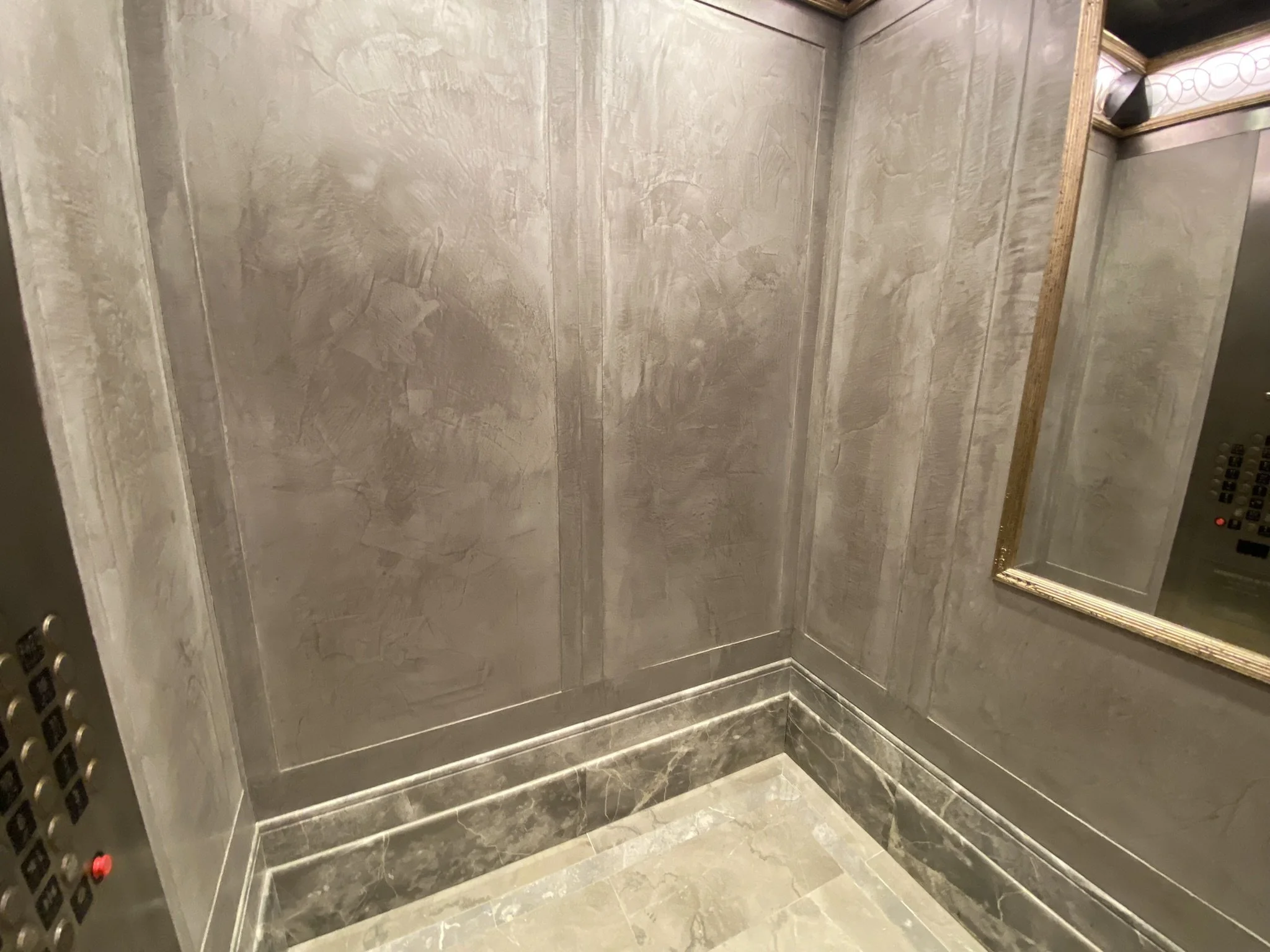
Venetian plaster
Description: A mineral-based, polished plaster finish that creates a smooth, marble-like surface with translucent depth and subtle sheen. It can range from matte to high gloss depending on burnishing.
Preparation and materials: Substrates must be smooth and well-prepped. Multiple thin layers of plaster are applied with a trowel, often with varying pigments. A final burnishing or sealing coat creates the characteristic lustrous look.
Time and cost: More labor- and skill-intensive than paint; expect longer application and cure times and higher cost. Accurate sample panels and mock-ups are recommended.
Durability and maintenance: Very durable when sealed properly; resists scuffs and can be spot-repaired. Avoid abrasive cleaners—use a mild, pH-neutral cleaner for maintenance.
Ideal uses: Accent walls, entryways, fireplaces, dining rooms, and luxurious hospitality spaces where depth and texture are desired.
Lime wash painting
Description: A breathable, mineral-based finish using slaked lime (calcium hydroxide) that creates soft, variegated, matte surfaces with subtle tonality and aging characteristics.
Preparation and materials: Best on porous, mineral-based substrates (plaster, masonry, lime-based surfaces). Not ideal over glossy paints or non-porous surfaces unless properly prepared. Multiple coats produce richer layering and depth.
Time and cost: Application is relatively straightforward but requires skill to achieve desired looseness and variation. Costs are typically higher than standard paint because of labor and material handling.
Durability and maintenance: Lime wash is breathable, which makes it excellent for older buildings; it can be sacrificial—developing patina over time. It’s less resistant to abrasion and washing than modern paints; gentle cleaning and occasional reapplication may be required.
Ideal uses: Historic restorations, rustic or Mediterranean-inspired interiors, feature walls, and spaces where a soft, aged aesthetic is preferred.
Cabinet Painting
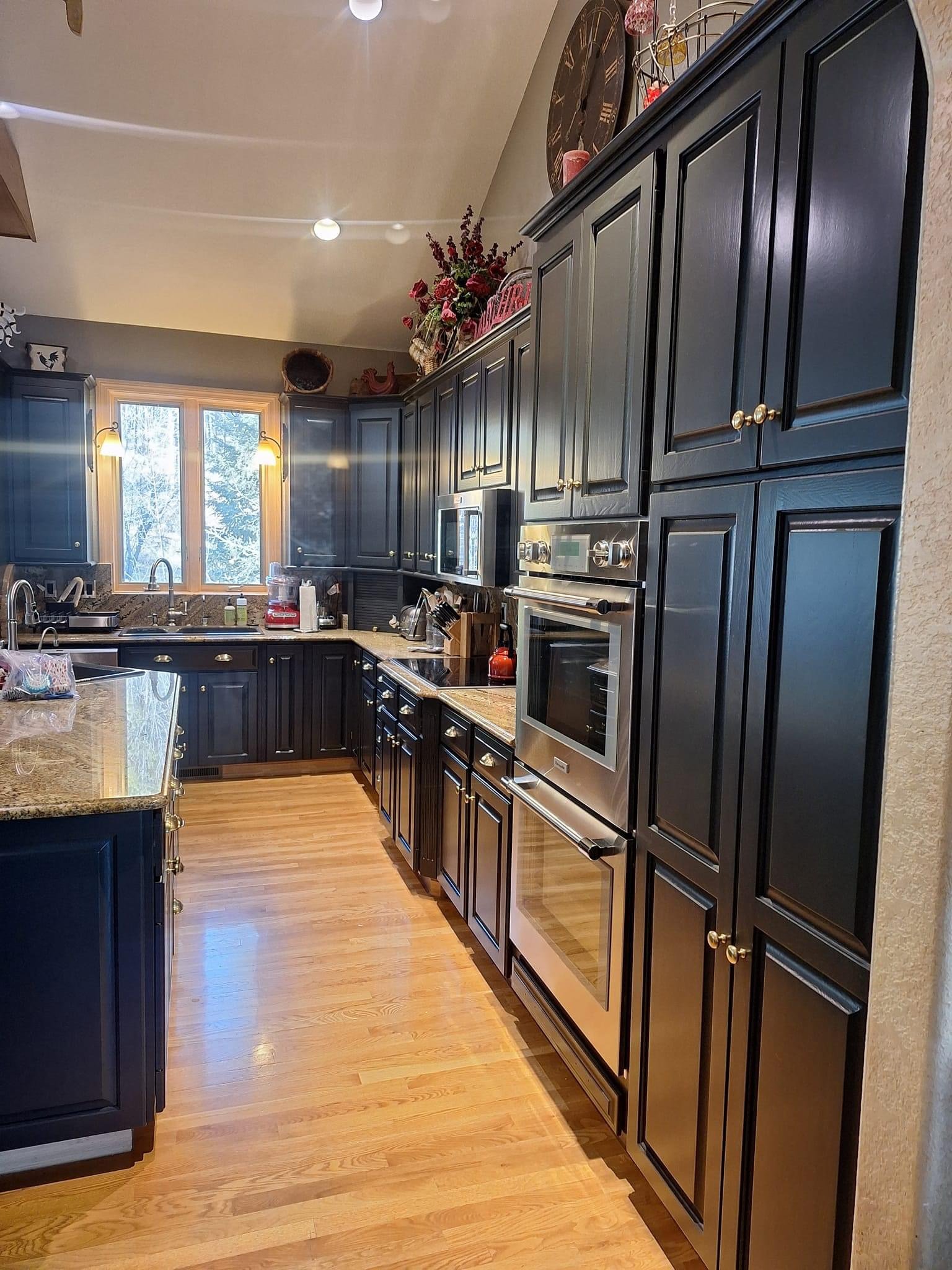
Cabinet painting is a cost-effective, high-impact way to refresh kitchens, bathrooms, laundry rooms, and built-ins without the disruption and expense of full replacement. Professional cabinet painting transforms wood, laminate, or MDF cabinets into a durable, attractive finish that improves aesthetics, increases home value, and extends the life of existing cabinetry.
With proper preparation, quality materials, and experienced application, painted cabinets can provide a beautiful, long-lasting finish that revitalizes your space.
Benefits of professional cabinet painting
Cost savings: Typically a fraction of the price of new cabinetry while achieving a comparable aesthetic upgrade.
Faster timeline: Many projects are completed in days rather than weeks required for demolition and new installations.
Sustainability: Repainting reduces waste and conserves materials by extending the life of existing cabinets.
Increased resale appeal: Updated cabinetry significantly improves the look of key rooms, helping attract buyers and justify higher listing prices.